Visit and explore the ruins of Copán roatan, Honduras




Visit and explore the ruins of Copán Roatán, Honduras
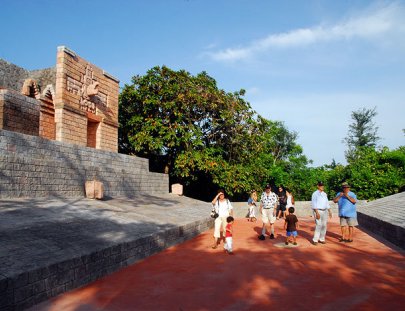
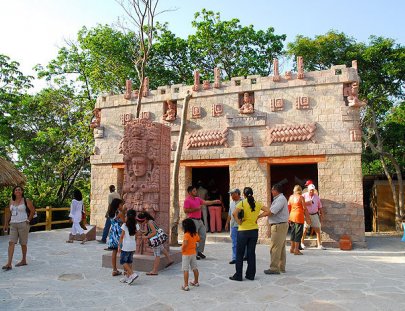
The city of Copan ranks with Tikal, Chichen Itza and Palenque in splendor, and is now one of the most closely investigated of all Maya cities. At Maya Key, life-size reproductions of some of the most recognized Copan ruins will visually transport visitors to ancient Copan! Discover some secrets of the Maya without ever leaving the island.
Mayan Ball Court
The first sport in the history of the Humanity was played in the Mayan ball courts, dating at least from 2500 BC. These distinguished ball courts are a commonality in all cities throughout the Mayan world. In 300 years time, the ball court in Copan was remodeled on four different occasions and the last remodel was during the reign of “Eighteen Rabbit.” Buried below the ball court in Copan are two complete ball courts, one beneath the other.
King “Eighteen Rabbit” is depicted on the circular markers playing the game with God Number 0, one of the gods from the infra-world.
Hieroglyphic Stairs
The stairway in Copan represents the largest text in the Maya world and the entire pre-Columbian America. It is the reason why the Copan Ruins were declared a Human Patrimony in 1980. The 15th governor of Copan, Humo Caracol, had the stairway made in the year 735 A.D. At Maya Key, a perfect reproduction can be seen complete will all the intricate hieroglyphic inscriptions, which is believed to narrate the historic accomplishments of Governor Humo Caracol’s predecessors.
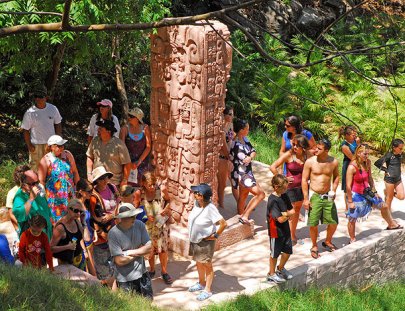
Gray Stela or Stela A
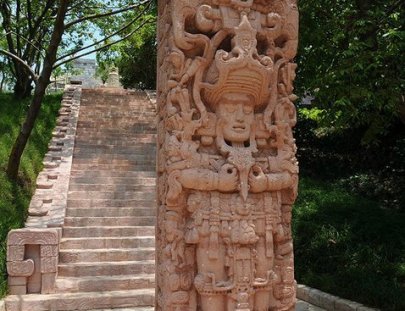
Stela A is the only stela in Copan with a stone gray color and it depicts “Eighteen Rabbit”, Copan’s 13th and most notable ruler. The stela is famous for the elegant shapes carved on its façade, which is complete with an intricate headpiece, earrings, bracelets, belts and sandals on its feet.
Streaked Stela or Stela B
Stela B was the sixth stela built in 731 A.D. and was also built in the image of “Eighteen Rabbit”. The original stela is recognized by steaks in the rock across the face.
More experiences like this ...
-
Price Q 1,120
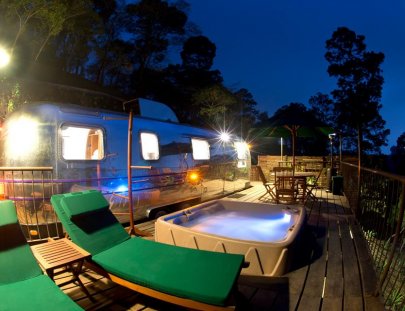
Luxury camping with all the amenities of a hotel
-
Price Q 1,494
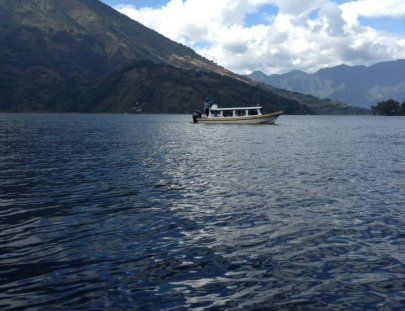
2 day adventure, boat ride on Lake Atitlán, discover Mayan villages and visit the market of Chichicastenango
-
Price Q 1,000
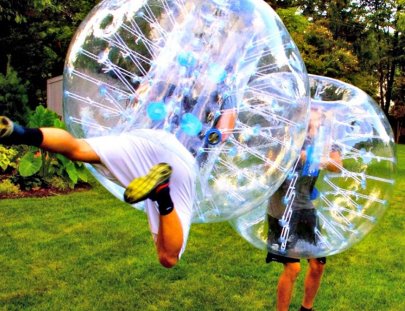
Play a game of Smashballs with family and friends!
-

Price Q 316
Extreme canopy experience at the canyon
-

Price Q 2,325
Airplane volcano tour of Pacaya, Agua and Acatenango!




Featured Experiences
Antigua Mountain Tour
Enjoy this adventurous ride on two wheels for 4-5 hours as you visit and pass...GuatemalaTravel by motorcycle, spend 1 night in Panajachel Lake Atitlán!
Discover Panajachel on motorcycle and enjoy this journey to reach...GuatemalaLearn about sustainable and organic farming in this tour
Tour through a self-sustainable organic farm and live the new...GuatemalaMixco Viejo Tour
Time to enjoy an archaeological tour of the Mayan Ruins. The tour can depart from Guatemala...Guatemala-